Site Record
Metadata
Site# |
159 |
Site Name |
General Electric - South Portland |
Description |
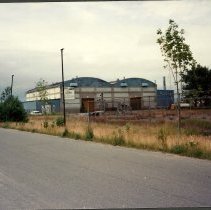
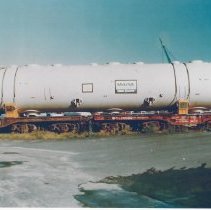
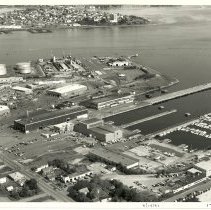
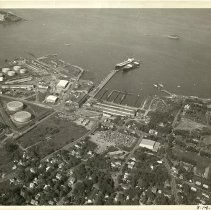
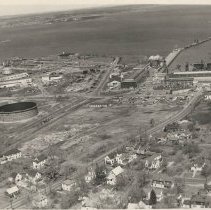
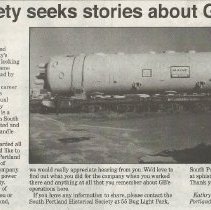
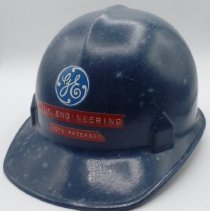
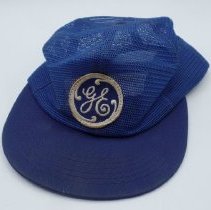
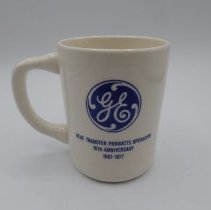
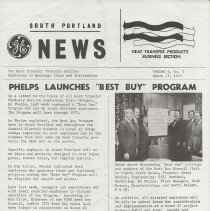
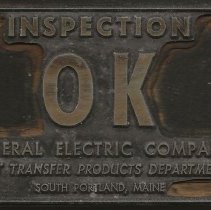
General Electric opened its Heat Transfer Products Division in South Portland in 1967 and manufactured products here until 1983. The company made a variety of small and large assemblies used in power plants (hydro-electric and nuclear). Some products manufactured included boilers (the size of a house), desalination units, hydrogen coolers, steam drums, and moisture separators (also known as reheaters or "pickles"). According to Michael Horton, who worked for GE here from 1968 to 1983, they operated out of many buildings. Building 203 was the largest building, near the corner of Pickett and Madison Streets, where boilers and reheaters were fabricated. Large cranes (with various capacities, up to 50 tons) were inside the building to move large units. GE would build the shells of the reheaters in Building 203. They would then install the chicken coops, the vein banks, the rails for the tube bundles, the exterior nozzles, and the manway entrances. Once everything was complete on the shell, the tube bundles would be installed and the heads would be put on. Once the dome head was on, the interior piping was installed and connected to the tube bundles. Attached to Building 203, on the Madison Street side, was the smaller Building 204 which served as the Machine Shop. In Building 209, was GE's management offices (upstairs), with the first floor used as warehouse storage. In Building 5 (what looked like the airplane hangar by Bug Light), GE employees manufactured small assemblies (some were 20 to 30 feet long), like statorbar coolers, hydrogen coolers, lube oil coolers, smaller tube bundles and other products. Building 5 also had its own machine shop where they would make parts for those products. In Building 25X (large building on Madison Street, across from Cushing Court), the tube bundles for reheaters were assembled. In the Burning Shack (building on Madison Street, just after the intersection with Pickett Street), any metal pieces could be cut using cutting torches; the bulkhead covers for the reheaters were cut in that building. GE used the former shipyard basins behind Building 210. They filled the bottoms of the basins with crushed rock to raise the bottom of the basin; Horton remembers when they had worked on four desalination units for Romania, all four units were loaded onto one barge and the crushed rock raised the floor level so that the barge could sit on the bottom at low tide (in order to load it safely). Horton described the working conditions as cold (the large buildings were heated with hot air blowers, so when doors were opened, the large buildings always felt cold. He also described it as a noisy and smoky place, especially with all of the welding going on, and some boilers were manufactured with fiberglass insulation that resulted in health issues for some workers in later years. OSHA would announce their visits in advance, so the workers would clean up areas that might otherwise be a bit dangerous. Overall, however, he described GE as a great company to work for, with excellent benefits and a good management style. The company had an annual Christmas party and summer outing (sparing no expense) and management would even participate with workers on bowling leagues, baseball and other outside recreational activities. The GE Heat Transfer Products Division closed in 1983. The company told employees that the nuclear power industry was in decline. Workers were offered the possibility of transferring to jobs at other GE plants. As the remaining units were finished in South Portland, any continued product manufacturing was transferred to a GE plant location in Charleston, SC. |